
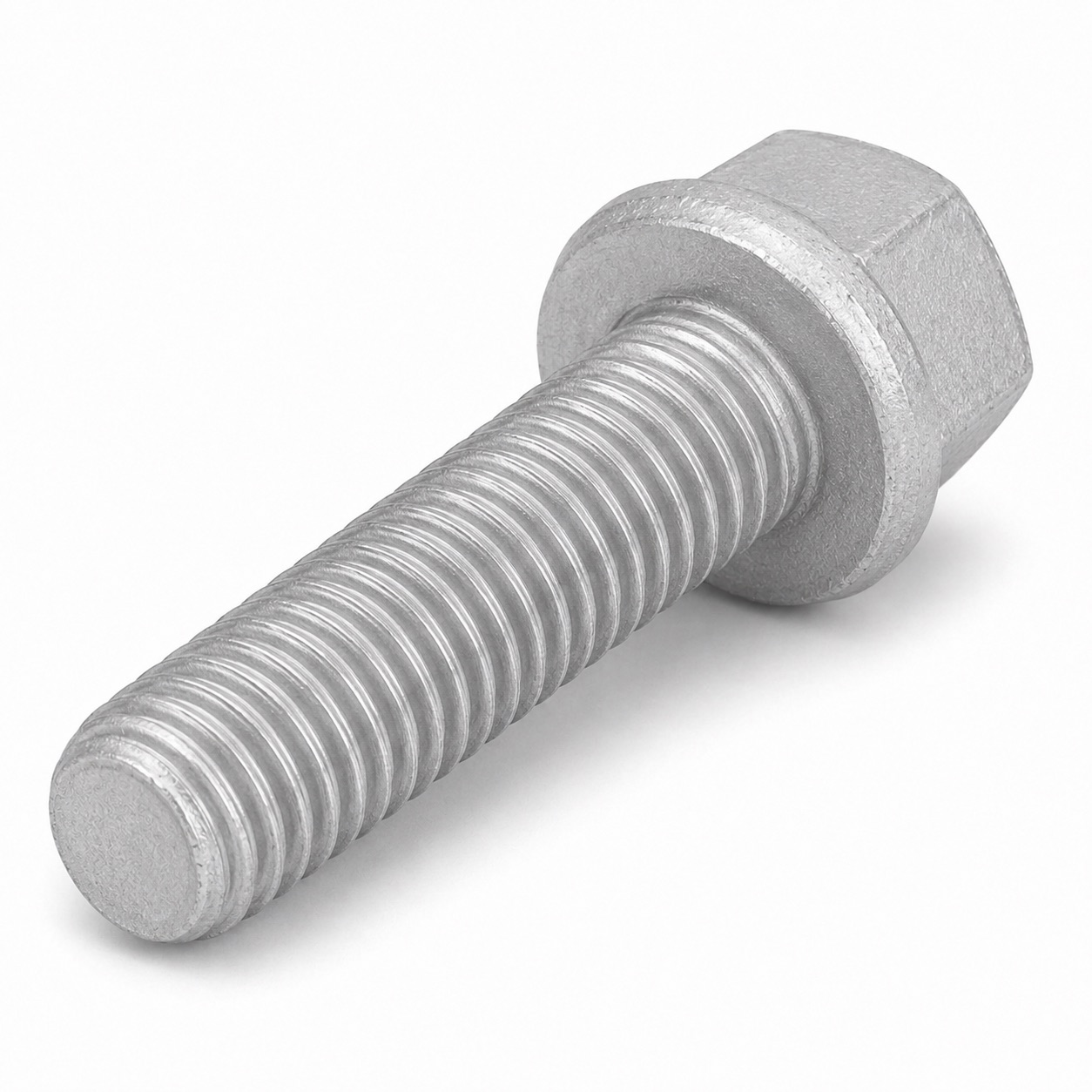
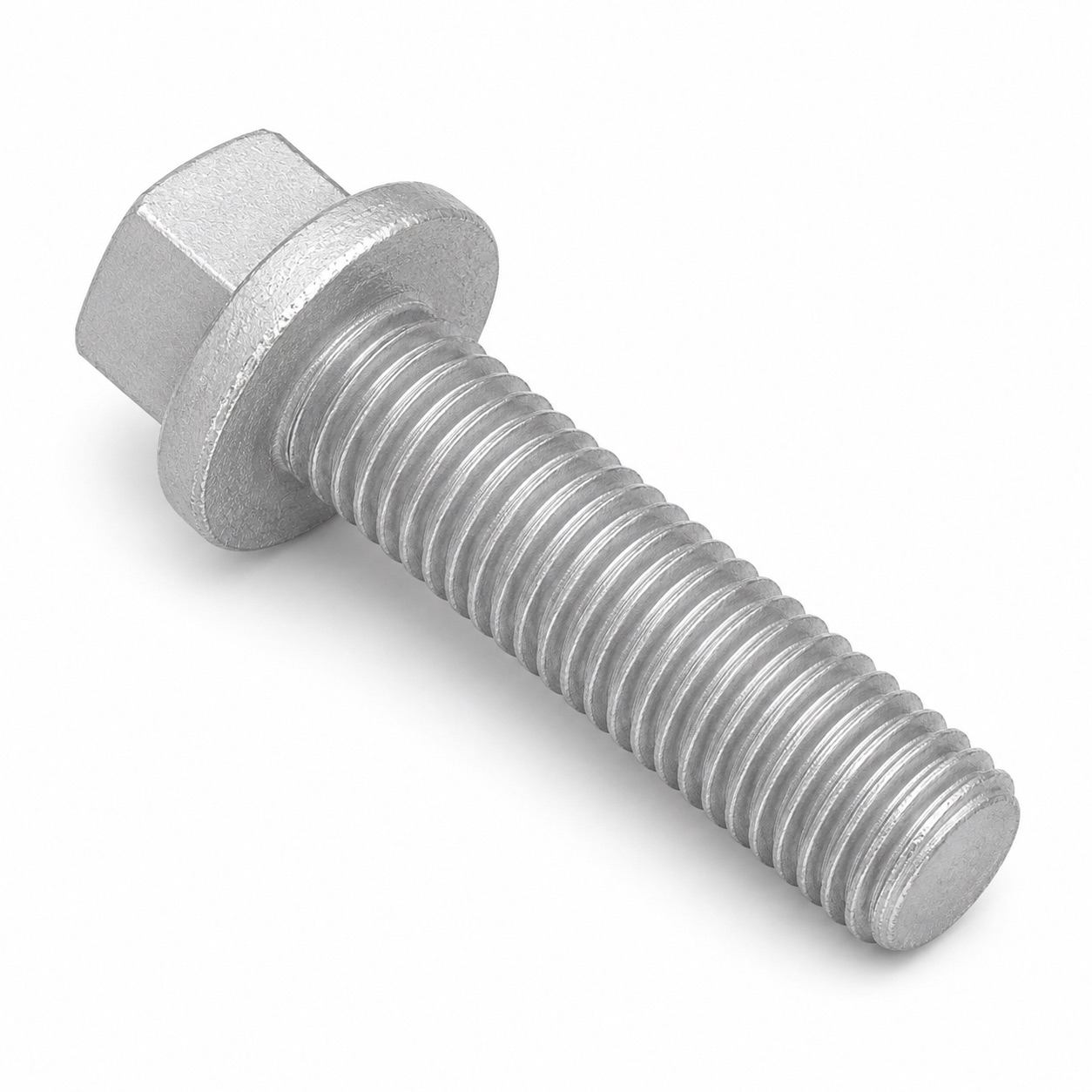
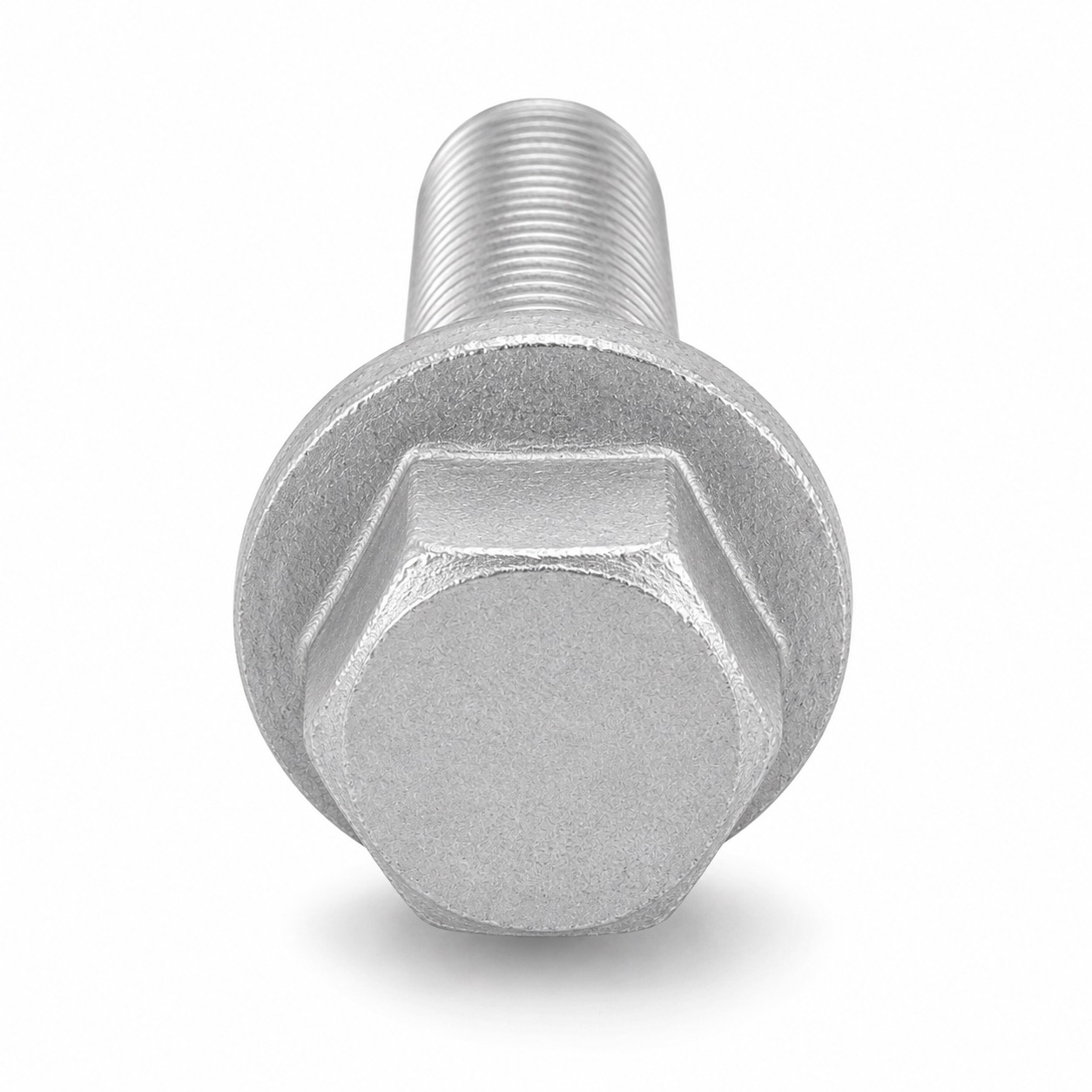
LAURENTCOAT® 676 is a zinc-aluminum organometallic coating, bichromated in mass, developed for bulk metal parts that require high corrosion protection and dimensional stability. It is especially suitable for threaded parts where an efficient alternative to hot-dip galvanizing is needed while maintaining precise tolerances and a uniform finish.
It is applied through immersion, centrifugation, and thermal curing processes, producing a uniform low-thickness film that protects without compromising part functionality. As a non-electrolytic, acid-free system, it prevents hydrogen entrapment and helps preserve the mechanical strength of the treated steel.
LAURENTCOAT® 676 provides comprehensive corrosion protection by combining cathodic protection, barrier effect, passivation, and self-healing capacity against surface damage. Its performance can reach up to 1,000 hours in salt spray testing under ASTM B117, while also meeting specifications such as ASTM F-1136 and ISO 10683, making it a reliable solution for demanding industrial applications.
Up to 1,000 hours of salt spray resistance per ASTM B117.
Uniform thickness of 5-12 microns, ideal for maintaining the dimensions and tolerances of threaded parts.
Water-based process, cured at 320°C
Non-electrolytic, acid-free application with thermal curing that preserves the steel’s strength.
Ask us about this treatment.