
In this article:
- Most common causes of coating damage in imported fasteners
- The impact on your operation
- What Surface Treatment Rework Is and How It Works
- Why Speed Matters
You imported fasteners. The container arrived. And the parts aren't in usable condition.
It's a situation that happens more often than it should. And when it does, the problem isn't just technical — it's logistical, financial, and urgent. You have a delivery deadline to meet and a batch of parts you can't use.
Coating rework is the fastest solution when time is critical. But not every supplier is equipped to handle it with the speed and quality the situation demands.
Most Common Causes of Damage in Imported Fasteners
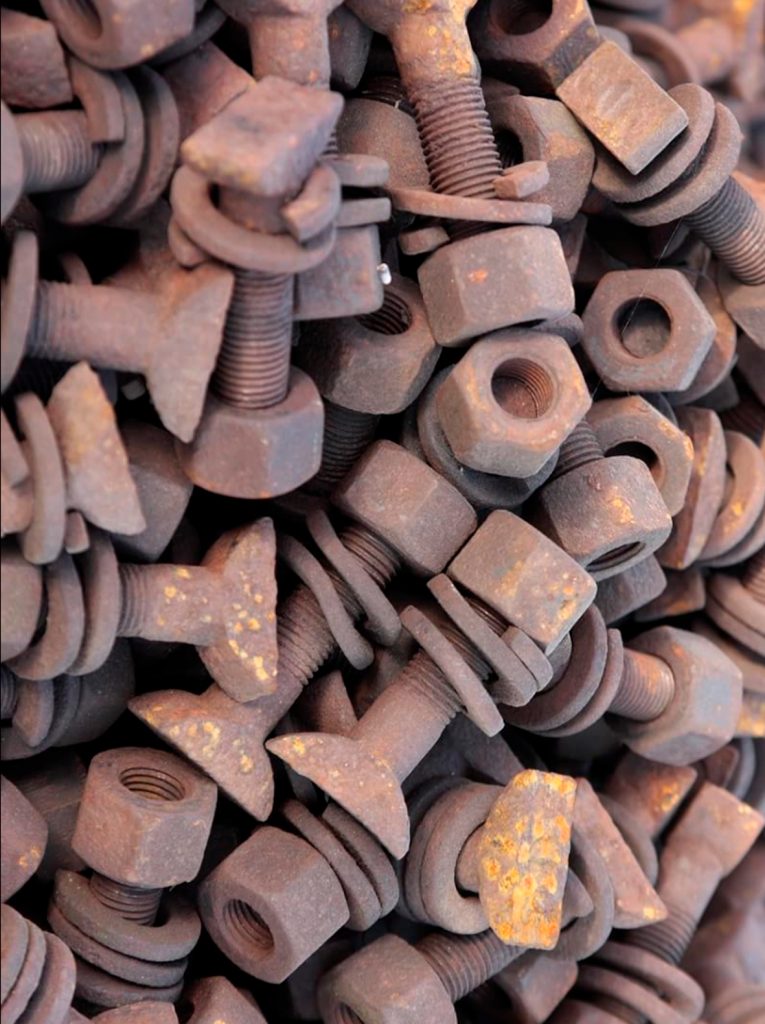
Imported fasteners travel thousands of kilometers before reaching your plant. Along the way, conditions can cause three types of damage:
| CAUSE | WHAT HAPPENS | CONSEQUENCE |
| Ocean freight | Constant vibration causes friction between parts | Scratched, peeling, or unprotected coating areas |
| Condensation inside containers | Trapped humidity acts on the metal | Premature oxidation visible upon opening the packaging |
| Condensation inside containers | Contact with oils, dust, and salts | Poor coating adhesion and insufficient protection |
The impact on your operation
Receiving a batch of fasteners with coating problems isn't just a technical inconvenience. It has direct consequences on your operation:
Production delays — if the parts aren't usable, they can't go into production. Every hour spent waiting is an hour of lost output or a delayed delivery.
Unplanned costs — coating rework, transportation, managing the issue with the original supplier, and potential supply chain delays generate costs that weren't in the budget.
Risk of field failure — if the parts are used anyway — which happens when time pressure is high — the damaged coating can cause premature failures in the field. A cost that's always greater than the cost of rework.
"A local supplier that can receive the damaged parts, process them, and solve the problem within urgent timeframes makes the difference."
What Surface Treatment Rework Is and How It Works
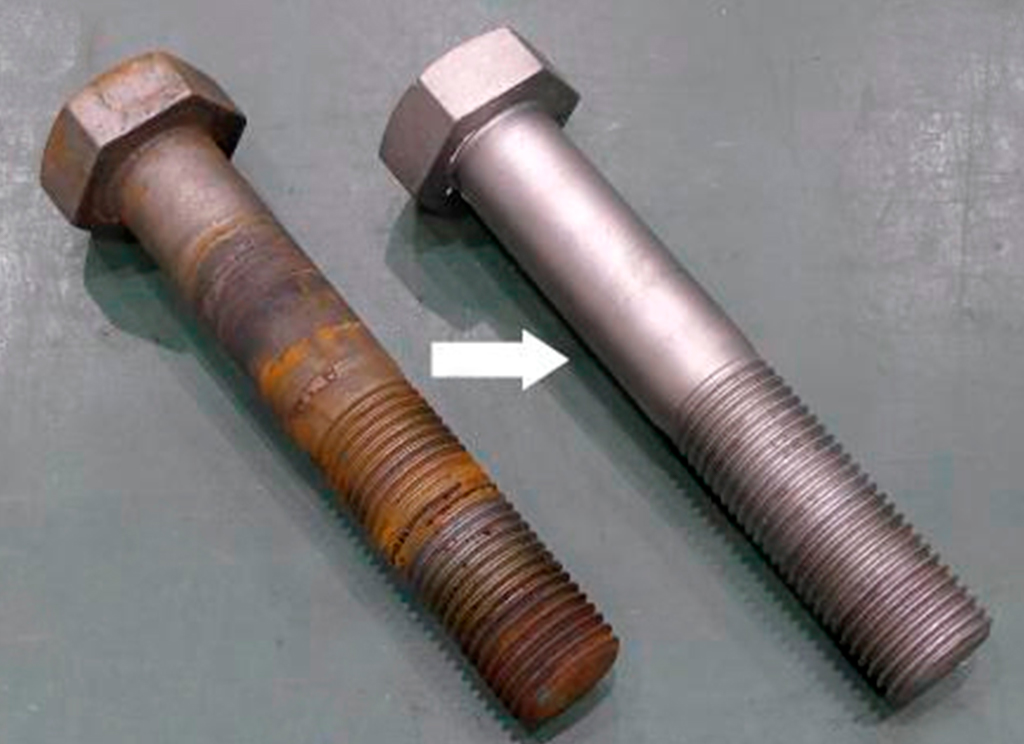
Surface treatment rework is the process of recovering a part that arrived with anti-corrosion coating problems and returning it to usable condition. For fasteners, the typical process includes:
1. Stripping and Degreasing
Removal of the damaged coating and any contaminants present on the surface. Chemical stripping removes the existing coating without affecting the base metal. Degreasing eliminates oils, salts, and other contaminants that could interfere with adhesion of the new coating.
2. Part Inspection
Once the surface is clean, the part is inspected to verify there's no mechanical damage — deep oxidation, pitting, or deformation — that would compromise its integrity. Only parts in good condition move on to the next step.
3. Reapplication of the Surface Treatment
The correct anti-corrosion coating is applied according to the required specifications. Depending on the case, this can be zinc flake, electrolytic zinc plating, zinc-nickel, or another treatment that meets the required specifications.
4. Quality Control
Before delivery, parts go through quality control that verifies coating thickness, adhesion, and corrosion resistance. Only parts that meet specifications leave the plant.
Why Speed Matters
In rework situations involving damaged imported parts, time is the critical factor.
You have a supplier overseas who may take weeks to resolve the problem — if they resolve it at all. You have a production line that can't wait. And you have a customer expecting their delivery.
In that context, a local supplier that can receive the damaged parts, process them, and solve the problem within urgent timeframes makes the difference.
Did you receive a batch of imported fasteners with coating problems and need a fast solution?
You can reach us at info@chousa.com.ar and connect with our technical team.