
Description
LAURENTCOAT® 565 is a high-performance organometallic coating developed to provide superior corrosion protection for iron and steel parts. Its system combines an inorganic zinc flake basecoat, which provides sacrificial protection, with an organic topcoat with high aluminum content that acts as a physical barrier against corrosive agents.
Thanks to its chromium-free formulation and non-electrolytic application process, LAURENTCOAT® 565 prevents hydrogen entrapment and is especially safe for hardened steels. It also includes integrated friction control, making additional sealers unnecessary and delivering a uniform, consistent, high-performance finish.
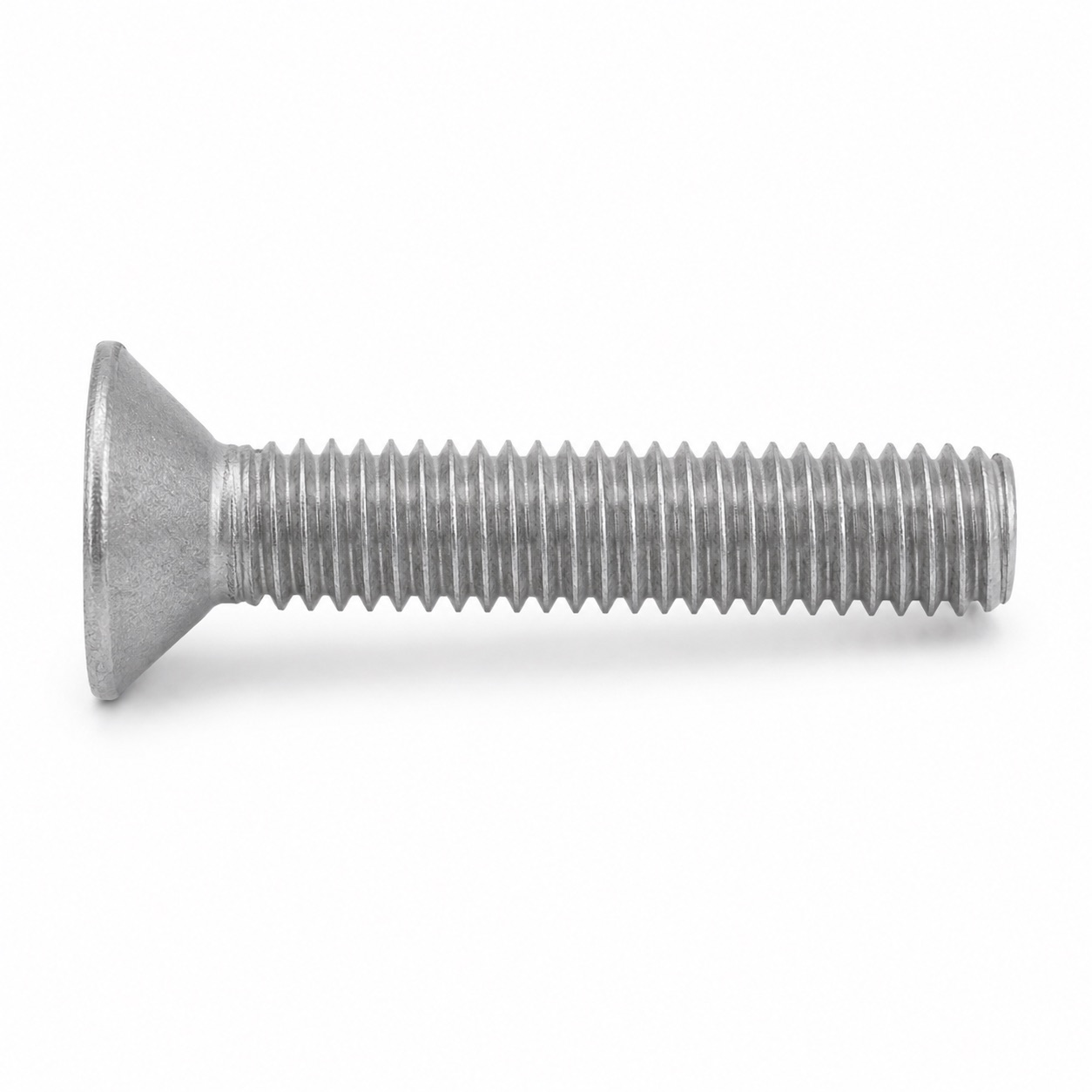
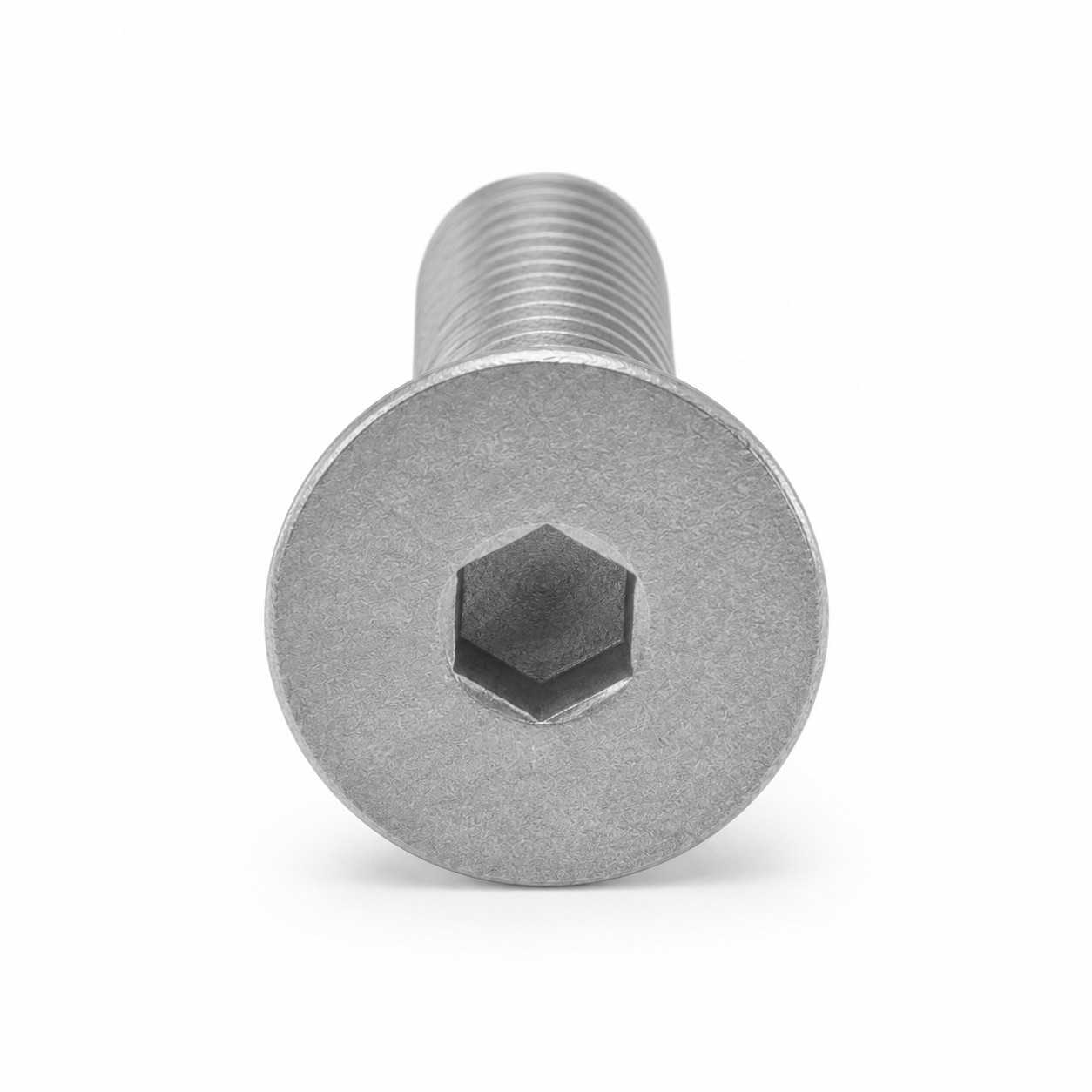
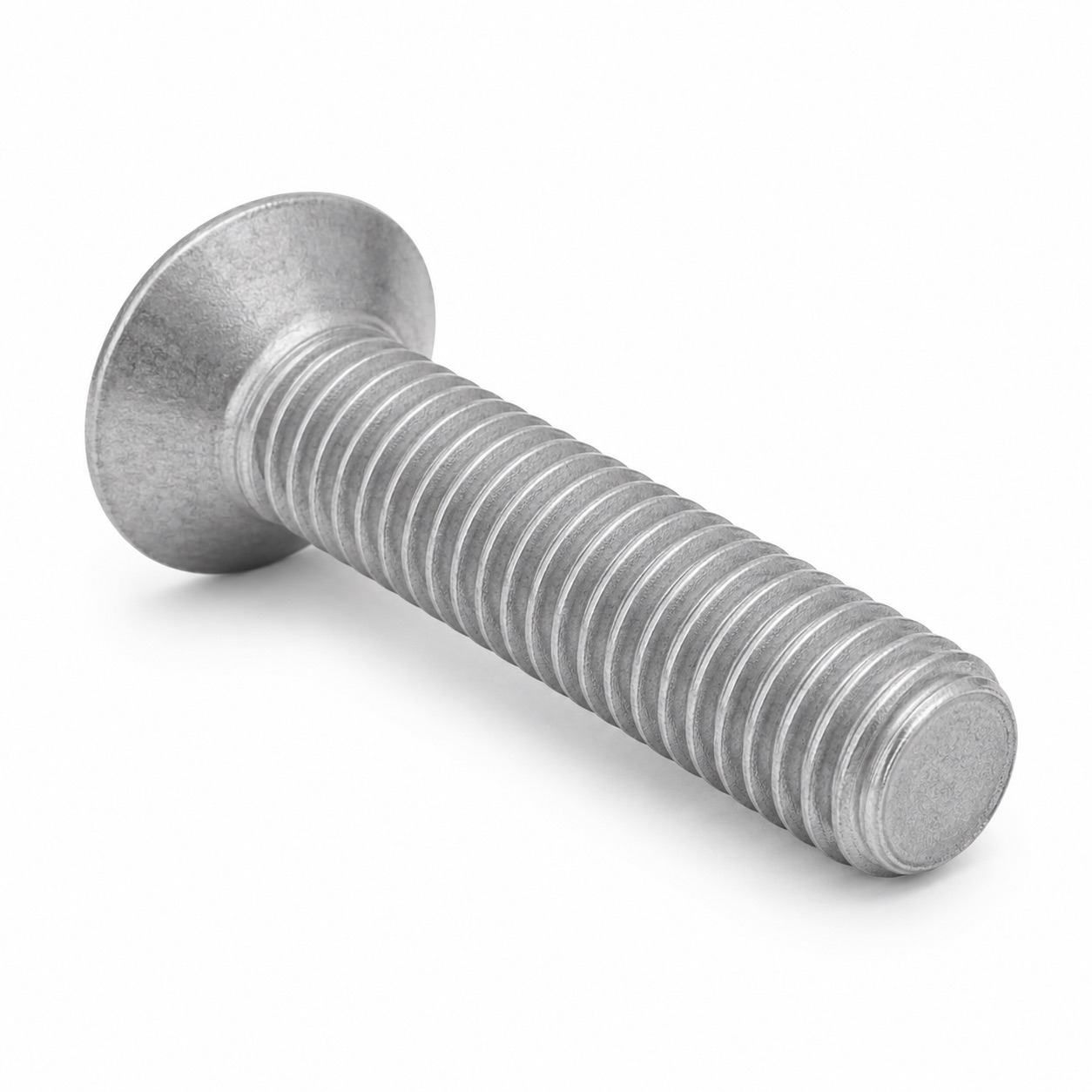
This coating is suitable for screws, nuts, springs, and stamped parts, and can be applied by Dip-Spin, Dip-Drain, or Spray. Its resistance can reach up to 1,000 hours in salt spray testing under ASTM B117, making it a reliable solution for industries that require maximum durability, protection, and technical stability.

Specifications
ASTM F 1136
ASTM F-3393
EN / ISO 10683
EN 13858
Key Features
Superior Resistance
Up to 1,000 hours of salt spray resistance per ASTM B117.
Controlled Friction
No need for additional sealers thanks to the built-in friction agent
Compatibility
Suitable for screws, nuts, springs, and stamped parts.
Versatile Application
Dip-Spin, Dip-Drain, or Spray. Can also be applied over electrolytic zinc plating bases.
Solvent-based, chromium-free
Thermally cured at 280°C, safe for hardened steels.
No Hydrogen Entrapment
Non-electrolytic, acid-free application with thermal curing that preserves the steel’s strength.
Uniform Coating
Uniform thickness from 5 to 12 microns, ensuring a consistent, high-performance finish.
High Corrosion Resistance
Questions?
Ask us about this treatment.